NOSTALGIC WAREHOUSE Mortise Locks Door 640697049410
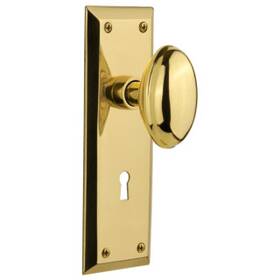
( Brand: Nostalgic Warehouse ), ( Manufacturer Part Number: 704941 ), ( Type: Commercial Door Hardware ), ( UPC: 640697049410 )
Review NOSTALGIC WAREHOUSE Mortise Locks Commercial Door Hardware
The **nostalgic 704941 mortise lock door** is a timeless piece of craftsmanship that seamlessly blends vintage charm with enduring functionality, evoking the elegance of mid-century design while ensuring modern security. Crafted with meticulous attention to detail, this mortise lock features a classic, robust construction that has stood the test of time, originally designed for doors where both aesthetics and reliability were paramount. The lock s sleek, minimalist silhouette with its clean lines and polished brass or chrome finish exudes an understated sophistication that complements both traditional and contemporary interiors. The mortise mechanism itself is a marvel of engineering, with a sturdy backplate anchored deep within the door s thickness, providing unmatched resistance against forced entry while maintaining smooth, quiet operation. The keyhole, often adorned with a vintage-style escutcheon, adds a touch of historical allure, inviting users to turn the key with a sense of nostalgia for an era when craftsmanship was prioritized over mass production. Inside, the lock s internal components including the mortise spindle, latch, and spring are designed for longevity, ensuring decades of reliable performance with minimal wear. Whether installed in a restored 1970s home, a boutique hotel, or a modern renovation project, this lock serves as both a functional guardian and a decorative statement, bridging the gap between past and present. Its timeless appeal lies not just in its form but in the quiet confidence it brings knowing that the door it secures is as strong as it is beautiful.
### Pros and Cons of Buying a Nostalgic 1970s Mortise Lock (Model 704941)
#### **Pros:**1. **Aesthetic Appeal and Vintage Charm** The design of 1970s mortise locks often features bold, retro styling with geometric patterns, brass finishes, or unique knobs. This can enhance the character of a home, especially if you re restoring or decorating in a vintage or mid-century modern style.
2. **Durability and Craftsmanship** Many older mortise locks were built to last, with solid metal construction and precise machining. If well-maintained, they can outlast modern, cheaper alternatives.
3. **Security (If Properly Installed)** Mortise locks were historically used in high-security applications (e.g., banks, government buildings) due to their robust construction. A well-made 1970s model could still provide strong security, especially if paired with a solid door.
4. **Unique Collectible Value** If the lock is rare or in excellent condition, it may hold value as a vintage or antique item, appealing to lock enthusiasts or collectors.
5. **Compatibility with Older Doors** If you re restoring an older home, a vintage mortise lock may fit seamlessly with existing door frames and hardware, avoiding the need for modifications.
6. **Customization Potential** Some older locks can be disassembled and refinished, allowing for color changes or repairs that extend their usability.
---
#### **Cons:**1. **Maintenance Requirements** Older locks may suffer from rust, worn mechanisms, or dried-up lubricants. They often require regular cleaning, oiling, and occasional part replacements, which can be time-consuming.
2. **Potential for Wear and Tear** Decades of use may have weakened springs, misaligned tumblers, or corroded internals. If not properly maintained, the lock could fail unexpectedly.
3. **Limited Availability of Parts** Finding replacement keys, springs, or entire mechanisms for a 1970s model can be difficult. Some manufacturers no longer produce parts for older designs.
4. **Compatibility Issues** Modern doors may have thinner frames or different mortising depths, making installation tricky. You may need a locksmith to adapt the lock or the door.
5. **Security Vulnerabilities** While some vintage locks were secure, others may lack modern encryption or resistance to picking, drilling, or bumping. If security is a priority, a modern lock with a higher pick resistance rating may be safer.
6. **Cost of Restoration vs. Replacement** If the lock is beyond simple maintenance, restoring it could be expensive. In some cases, replacing it with a modern mortise lock (or a more practical alternative like a deadbolt) might be more cost-effective.
7. **Functionality Limitations** Older locks may lack features like keyed-alike systems, electronic compatibility, or easy rekeying, which are common in modern locks.
8. **Resale Value Concerns** Unless it s a highly sought-after collectible, a vintage lock won t add value to a home. Buyers typically prefer functional, low-maintenance hardware.
---
### **Conclusion:**A nostalgic 1970s mortise lock like the 704941 can be a fascinating addition to a home restoration project, offering unique style and historical charm. However, its practicality depends heavily on its condition, your willingness to maintain it, and whether it aligns with your security and functionality needs.
If you re restoring a classic home, appreciate vintage aesthetics, and are prepared for potential maintenance, this lock could be a rewarding purchase. On the other hand, if you prioritize convenience, modern security standards, or long-term reliability, a newer mortise lock or alternative (such as a high-quality deadbolt) may be a more practical choice.
---
### **Recommendation:** - **Buy it if:**- You re restoring a period home and the lock fits the theme.
- You re willing to invest time in maintenance and restoration.
- You value the lock as a collectible or for its historical significance.
- The lock is in good working condition and you can source replacement parts.
- **Avoid it if:**- You need a lock that requires minimal upkeep.
- Security is a top priority, and you re unsure of its resistance to modern picking methods.
- You can t find replacement parts or a locksmith experienced with vintage models.
- The cost of restoration exceeds the value it adds to your home.
For most modern homes, a **high-quality mortise lock with modern security features** (e.g., Schlage, Kwikset, or Yale) would be a safer, more practical investment. However, if you re drawn to the 1970s design, consider having a locksmith assess its condition before committing. If it s beyond repair, a reproduction or a similarly styled modern lock could bridge the gap between nostalgia and functionality.
Details:
These factors are reflected in the pricing of item. Where possible, we note damage and list missing accessories.
part #: 704941 price
- $161.25
specifications doorknobsgo:
- brand: Nostalgic Warehouse
- mpn: 704941
- type: Commercial Door Hardware
- upc: 640697049410
payments doorknobsgo:
- credit card: Diners-club
- other
- wallet: Paypal
offer doorknobsgo:
- sold: 0
- options: Ship-to-home
- quantity: 1
- started: April 1, 2026
- availability: In Stock
seller doorknobsgo:
- city: Indianapolis, Indiana
- rating: 99.6%
- # reviews: 44108
general doorknobsgo:
- Building Hardware > doors Door Hardware > Door Knobs Levers
- condition: Open box
shipping doorknobsgo:
- carrier: UPS
- cost: $0.00
- transit: 2-5 Days
- service: UPS Ground, UPS 2nd Day Air, UPS Next Day Air
- class: Standard, Expedited, One-day
- type: Calculated
returns doorknobsgo:
- policy: Returns Accepted
- paid by: Seller
- time: 30 Days
- method: Money back
Nostalgic Warehouse 704941 Is Similar To:
- 0686804 Nostalgic Warehouse Victorian Plate 640697011264 (43.9% similar) ...(July 10th, 2017)
- 301519711 Nostalgic Warehouse Home Interior Egg And Dart Plate 0640697020051 (44.8% similar) Combine this with the beautifully embellished egg and dart door knob for a look beyond compare. Home interior egg and dart plate in backseat antique brass privacy door with its distinctive repeating detail, as well floral crown foot, the resonates grand is ideal choice for larger doors...(August 7th, 2018)
- 640697011219 Nostalgic Warehouse Crystal Glass Knob (44.1% similar) Quality and beauty. Set for passage use bedroom, closet, etc...(March 4th, 2017)
- 640697019604 Nostalgic Warehouse Bn10-claead-ab Classic (44.3% similar) Complete set including latch inch standard back...(September 12th, 2017)
- 640697022192 Nostalgic Warehouse Classic Rosette With White Porcelain Door (45.4% similar) To get a quote, visit. Get-warranty and enter the item number in box on right side of screen. Item is in excellent condition and it comes with all essential accessories. This item has been cleaned and sanitized to ensure your complete satisfaction. Features the simple elegance of classic rosette in ...(November 19th, 2018)
- 640697043500 Nostalgic Warehouse Meadows Plate (49.6% similar) 70MM knob width : 200MM plate 41MM projection: BACKSET:2. Add our homestead door knob with its curvaceous oval shape for a look to enhance any home 60MM CROSSBORE:2...(September 27th, 2017)
- 640697044910 Nostalgic Warehouse Prairie Plate (47.8% similar) 125-INKEYHOLE:WITH keyhole materials:brass listing:quick SHIPWARRANTY:5 year door THICKNESS:1 3/8 in to inf simplicity is your mantra, look no further than prairie. A legacy of craftsman austerity, prairie emerged around 1915 as an alternative to more elaborate Victorian designs. 125-INPLATE width...(September 27th, 2017)
- 640697045986 Nostalgic Warehouse Craftsman Antique (41% similar) Single dummy function: ideal for doors that require only push pull function no latch or lock. Double dummy function: ideal for doors that require only push pull function no latch or lock. All craftsman door knobs are forged brass for durability and beauty. Perfect for restoration and easy to install...(December 4th, 2017)
- 640697046020 Nostalgic Warehouse New York (44.4% similar) Privacy function: ideal for bathrooms, bedrooms or rooms where a locking mechanism is needed. Solid forged brass plates passage function: ideal for closets, hallways or rooms where no locking mechanism is needed. Single dummy function: ideal for doors that require only push pull function no latch or...(February 5th, 2018)
- 640697111513 Nostalgic Warehouse Rose Porcelain (47.4% similar) 125-INPLATE height : 7-INPLATE width : includes door knob and chosen long plate for both sides of door, latch mechanism, privacy spindle, pin, strike plate mounting screws. Perfect for restoration and easy to install on modern pre-drilled doors hand assembled in USA5-YEAR warranty door thickness: ...(February 5th, 2018)
- 640697121826 Nostalgic Wharehouse Brand-new Warehouse Oval (43.2% similar) Most items are insured against loss and damage. Model backseat...(February 25th, 2017)