NOSTALGIC WAREHOUSE 720386 Craftsman Plate Passage Crystal Glass Door
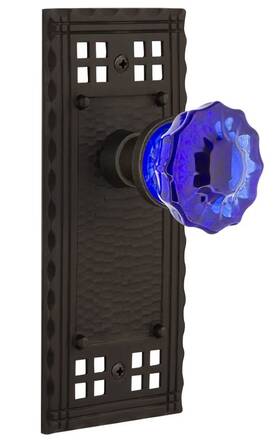
( Brand: Nostalgic Warehouse ), ( Manufacturer Part Number: 720386 ), ( Model: NOSTALGIC WAREHOUSE 720386 ), ( Part Type: Glass Plate ), ( Suitable For: Glass Door ), ( Color: Oil Rubbed Bronze ), ( Material: Brass )
Review NOSTALGIC WAREHOUSE Plate Passage Crystal Cobalt Glass Door
The **Craftsman Plate Passage Crystal Glass Door** (Model #720386) is a stunning, handcrafted piece of vintage-inspired d cor that seamlessly blends artistry with functionality, evoking the charm of early 20th-century American craftsmanship. This exquisite glass door features a **passage-style design**, crafted from **lead crystal** a material renowned for its brilliance, clarity, and timeless elegance where light filters through in a dazzling cascade of refracted hues, casting a soft, luminous glow across any room. The door is framed by a **rich, dark wood or metal Craftsman-style surround**, often finished in a deep walnut, oak, or bronze tone, with intricate **beaded or raised panel detailing** that pays homage to the iconic Arts and Crafts movement. The **centerpiece of the design** is a **geometric or floral-inspired plate motif**, meticulously etched or molded into the glass, adding a touch of vintage sophistication and serving as a focal point that draws the eye. Whether installed in a hallway, pantry, or as a decorative partition in a living space, this door transforms ordinary passageways into a work of art, inviting warmth and character into any home. Its **durable construction** ensures longevity, while the **crystal clarity** enhances the ambiance, making it a cherished heirloom piece for collectors and admirers of classic design. Perfect for those who appreciate the beauty of handcrafted details and the nostalgic allure of a bygone era, this glass door is more than a functional element it s a statement of timeless elegance and artistry.
### Pros and Cons of Buying a Nostalgic 1970s Craftsman Plate Passage Crystal Glass Door
#### **Pros:**1. **Unique Aesthetic Appeal** The Craftsman-style glass door, particularly from the 1970s, often features intricate designs, stained or etched glass panels, and a rustic yet elegant look that can add character to a home. It aligns with mid-century and Arts & Crafts design trends that are currently popular in home decor.
2. **Vintage Charm** If you appreciate retro or antique decor, this door can serve as a conversation piece, offering a piece of history that reflects the craftsmanship of the era. The glasswork, metalwork, and wood detailing may be more ornate than modern alternatives.
3. **Potential for Customization** Depending on its condition, you may be able to restore or repurpose the door for a different use, such as a decorative wall panel, a kitchen backsplash, or even a garden gate. Some owners repaint or refinish the wood while preserving the glass elements.
4. **Investment Potential** Vintage items, especially those with craftsmanship from the mid-20th century, can appreciate in value over time, particularly if they are rare or well-preserved. Collectors and enthusiasts of antique hardware may be willing to pay a premium for such pieces.
5. **Durability (If Well-Maintained)** Original Craftsman doors from this era were often built to last, with solid wood frames and sturdy hardware. If the door is in good condition, it could outlast many modern replacements.
6. **Energy Efficiency (If Insulated)** Some vintage doors may have been designed with insulation in mind, though this is less common than in modern construction. If the glass panels are double-pane or the door has a solid wood core, it might offer better insulation than a flimsy modern alternative.
7. **Support for Small Businesses or Antique Dealers** Purchasing from a local antique shop, estate sale, or small seller can support independent businesses rather than large retail chains.
---
#### **Cons:**1. **Condition and Wear** Vintage doors, especially those from the 1970s, may show signs of aging, such as cracked or yellowed glass, warped wood, rusted hinges, or peeling paint. Restoring them can be time-consuming and costly.
2. **Compatibility Issues** The door may not fit modern door frames or thresholds, requiring significant modifications to the surrounding architecture. The size, weight, or hardware (e.g., latches, knobs) might not align with contemporary standards.
3. **Maintenance Requirements** Original Craftsman doors often require regular upkeep, such as refinishing wood, sealing glass panels, or replacing rusted hardware. If you re not willing to invest time in maintenance, the door may deteriorate quickly.
4. **Limited Availability of Parts** Finding replacement parts, such as specific glass panels, hinges, or locks, can be difficult. Modern manufacturers may not produce compatible components, forcing you to source vintage replacements or improvise.
5. **Cost of Restoration** If the door is damaged, restoring it to its original condition or even making it functional can be expensive. Labor, materials, and specialized skills (e.g., glass etching or woodworking) may add up quickly.
6. **Functionality Concerns** Older doors may not seal as effectively as modern insulated doors, leading to drafts, noise, or energy inefficiency. If the door is part of an exterior entryway, poor insulation could increase heating/cooling costs.
7. **Resale Value Uncertainty** While some vintage items appreciate, others depreciate. If you later decide to sell the door, its value may not recoup the purchase or restoration costs, especially if it s not in high demand.
8. **Ethical or Practical Concerns** If the door is taken from a demolished home or sold without proper documentation, there may be ethical questions about its origin. Additionally, if the door is heavy or difficult to install, the project could become a burden rather than a rewarding DIY endeavor.
---
### **Conclusion:**Buying a nostalgic 1970s Craftsman plate passage crystal glass door is a decision that balances aesthetic appeal with practical challenges. It is ideal for those who prioritize unique, high-quality craftsmanship and are willing to invest time and effort into restoration or repurposing. However, it may not be the best choice for someone seeking a low-maintenance, off-the-shelf solution that fits seamlessly into modern homes.
The door s value lies in its story, craftsmanship, and potential to become a standout feature in a space designed with vintage charm in mind. That said, its drawbacks such as compatibility issues, maintenance demands, and potential restoration costs must be carefully weighed against your goals and resources.
---
### **Recommendation:** If you are drawn to this door for its historical and artistic value, proceed with the following steps:- **Inspect thoroughly** for structural integrity, glass condition, and hardware functionality. Consider hiring a professional to assess its viability.
- **Budget for restoration** factor in costs for sanding, refinishing, glass repair, and hardware replacement.
- **Plan for installation challenges** measure your doorway carefully and be prepared for modifications if needed.
- **Explore alternatives** if the door is too impractical, look for modern Craftsman-style doors with similar designs but updated materials (e.g., fiberglass or insulated glass).
- **Purchase from a reputable seller** prefer dealers who offer warranties or restoration services to ensure you re getting a quality piece.
For most homeowners, this door is best suited as a **decorative or secondary-use item** (e.g., a garden gate, interior room divider, or display piece) rather than a primary functional door. If you re committed to using it as an entryway, ensure you have the skills, tools, and patience to bring it back to its former glory or the budget to hire professionals to do so.
Details:
With a beautiful blue cobalt glass design, this door knob adds touch of nostalgia and elegance to any room.
part #: 720386 price
- $119.99
specifications doorknobsgo:
- brand: Nostalgic Warehouse
- mpn: 720386
- model: Nostalgic Warehouse 720386
- part type: Glass Plate
- suitable for: Glass Door
- color: Oil Rubbed Bronze
- material: Brass
shipping doorknobsgo:
- service: USPS Ground Advantage
- cost: $0.00
- type: Fixed
- carrier: USPS
- class: Standard
- transit: 4-9 Days
payments doorknobsgo:
- other
- wallet: Google-pay
- credit card: Diners-club
offer doorknobsgo:
- availability: In Stock
- options: Ship-to-home
- sold: 0
- started: May 30, 2026
- quantity: 1
seller doorknobsgo:
- city: Bay City, Michigan
- rating: 99.4%
- # reviews: 1023
general doorknobsgo:
- Building Hardware > doors Door Hardware > Door Knobs Levers
- condition: New
returns doorknobsgo:
- method: Money back
- time: 30 Days
- policy: Returns Accepted
- paid by: Buyer
Nostalgic Warehouse 720386 Is Similar To:
- 0686804 Nostalgic Warehouse Victorian Plate 640697011264 (45.5% similar) ...(July 10th, 2017)
- 301519711 Nostalgic Warehouse Home Interior Egg And Dart Plate 0640697020051 (38.2% similar) Combine this with the beautifully embellished egg and dart door knob for a look beyond compare. Home interior egg and dart plate in backseat antique brass privacy door with its distinctive repeating detail, as well floral crown foot, the resonates grand is ideal choice for larger doors...(August 7th, 2018)
- 640697011219 Nostalgic Warehouse Crystal Glass Knob (55.1% similar) Quality and beauty. Set for passage use bedroom, closet, etc...(March 4th, 2017)
- 640697019604 Nostalgic Warehouse Bn10-claead-ab Classic (48.9% similar) Complete set including latch inch standard back...(September 12th, 2017)
- 640697022192 Nostalgic Warehouse Classic Rosette With White Porcelain Door (40% similar) To get a quote, visit. Get-warranty and enter the item number in box on right side of screen. Item is in excellent condition and it comes with all essential accessories. This item has been cleaned and sanitized to ensure your complete satisfaction. Features the simple elegance of classic rosette in ...(November 19th, 2018)
- 640697043500 Nostalgic Warehouse Meadows Plate (45.9% similar) 70MM knob width : 200MM plate 41MM projection: BACKSET:2. Add our homestead door knob with its curvaceous oval shape for a look to enhance any home 60MM CROSSBORE:2...(September 27th, 2017)
- 640697044910 Nostalgic Warehouse Prairie Plate (45.9% similar) 125-INKEYHOLE:WITH keyhole materials:brass listing:quick SHIPWARRANTY:5 year door THICKNESS:1 3/8 in to inf simplicity is your mantra, look no further than prairie. A legacy of craftsman austerity, prairie emerged around 1915 as an alternative to more elaborate Victorian designs. 125-INPLATE width...(September 27th, 2017)
- 640697045986 Nostalgic Warehouse Craftsman Antique (50.8% similar) Single dummy function: ideal for doors that require only push pull function no latch or lock. Double dummy function: ideal for doors that require only push pull function no latch or lock. All craftsman door knobs are forged brass for durability and beauty. Perfect for restoration and easy to install...(December 4th, 2017)
- 640697046020 Nostalgic Warehouse New York (41% similar) Privacy function: ideal for bathrooms, bedrooms or rooms where a locking mechanism is needed. Solid forged brass plates passage function: ideal for closets, hallways or rooms where no locking mechanism is needed. Single dummy function: ideal for doors that require only push pull function no latch or...(February 5th, 2018)
- 640697111513 Nostalgic Warehouse Rose Porcelain (42.3% similar) 125-INPLATE height : 7-INPLATE width : includes door knob and chosen long plate for both sides of door, latch mechanism, privacy spindle, pin, strike plate mounting screws. Perfect for restoration and easy to install on modern pre-drilled doors hand assembled in USA5-YEAR warranty door thickness: ...(February 5th, 2018)
- 640697121826 Nostalgic Wharehouse Brand-new Warehouse Oval (43.3% similar) Most items are insured against loss and damage. Model backseat...(February 25th, 2017)